
Performance Feedback Techniques: A Manager's Practical Guide
Quick Summary
Effective performance feedback names a specific behavior, explains its impact, and points toward a clear next step. It should be delivered close to the event, in a private conversation, and followed up on. Vague, late, or one-sided feedback is what usually makes it fail.
- Name the exact action, not the personality trait, so the employee knows what to change.
- Address the behavior within days, not months, while the event is still fresh.
- Ask for the employee's account before explaining your own view.
- Set one or two concrete actions with a deadline before ending the conversation.
- Schedule a follow-up check in two weeks and note what improved.
Table of Contents
- Why Performance Feedback Fails and What Changes It
- Principles of Effective Feedback: Specific, Timely, and Purposeful
- Constructive Feedback Examples for Employees
- Employee Feedback Scripts for Managers
- A Repeatable Feedback Framework With Follow-Up
- Performance Feedback Best Practices for Remote, Hybrid, and Fair Reviews
- Booking a Feedback Coaching Session With Jim Carlough
- Frequently Asked Questions
Why Performance Feedback Fails and What Changes It
Last Updated: October 29, 2026
Most managers avoid performance feedback until a problem becomes impossible to ignore. Then they deliver it all at once, in a rush, and the employee leaves confused. This guide covers the techniques that make performance feedback work, and the mistakes that quietly ruin it.
Performance feedback is the information a manager gives an employee about how their work is going. Good feedback names specific behavior, explains the effect, and points toward what happens next.
Why does it fail so often? Usually the feedback is vague ("be more proactive"), late (three months after the event), or one-sided (the manager talks and never listens). Each problem makes the message easy to dismiss.
What changes it is a small set of habits. You describe what you saw, you say it close to the event, and you invite a response. The rest of this article shows how.
Principles of Effective Feedback: Specific, Timely, and Purposeful
Strong performance feedback follows three rules. It is specific, it is timely, and it has a clear purpose.
- Specific: Name the exact action, not the personality trait.
- Timely: Address the behavior within days, not months.
- Purposeful: Know whether you are reinforcing good work or correcting a gap.
Compare "You're not a team player" with "In Tuesday's client call, you answered the questions without checking with Dana, which left her out of the decision." The second version gives the employee something to act on.
Constructive Feedback Examples for Employees
Constructive feedback focuses on growth. It names a gap and points toward a fix. The examples below cover the situations managers most often fumble, so you can adapt the language instead of improvising under pressure. Each one follows the same skeleton: observation, impact, next step. Mastering this structured approach serves as the foundation upon which managers consistently improve communication skills to ensure that every performance conversation remains clear, actionable, and focused on professional development.
Missed deadline
"The report was due Friday and arrived Monday. The client had to push their review to Wednesday. Let's agree on a midweek checkpoint next time so we catch slippage early. What got in the way this week?"
Quality issue
"I found three calculation errors in the Q3 forecast that reached the finance team. That forced a re-run and delayed the board packet by a day. Walk me through how you checked the numbers, and let's add a second-pass review before anything leaves your desk."
Interpersonal conflict
"In Tuesday's standup, you cut off Marcus twice while he was describing the API change. He stopped contributing for the rest of the meeting. I need you to let him finish, even when you disagree. Can you commit to that in the next standup, and would it help to agree on a signal I can give you?"
Unclear updates
"Your project emails left out the budget numbers, so I had to ask twice before I could approve the spend. Add a one-line summary at the top of each update with status, budget, and next milestone."
Strong skill, weak habit
"Your analysis is sharp, and the team respects it. You shared it the morning of the meeting, though, so no one had time to challenge the assumptions. Send it 24 hours ahead so the discussion is a real review, not a reveal."
Strong performance you want to reinforce
"You walked the new hire through the billing system in a way that saved us a week of errors. That's exactly the kind of knowledge transfer I want to see. Keep doing it with the next two hires, and tell me what made it work so we can repeat it."
Repeated lateness
"You've arrived after the 9 a.m. start four times in the last two weeks. That pushes the morning handoff onto whoever is here. What's going on, and what would help you be on time?"
Notice the pattern across every example: a specific observation with a date or event, the concrete impact on the work or the team, and one clear next step the employee can act on. Avoid stacking multiple issues into one conversation; pick the behavior that matters most and save the rest for a follow-up.
Employee Feedback Scripts for Managers
Scripts help you stay calm and clear, especially in hard conversations. Use them as a starting point, not a word-for-word recipe.
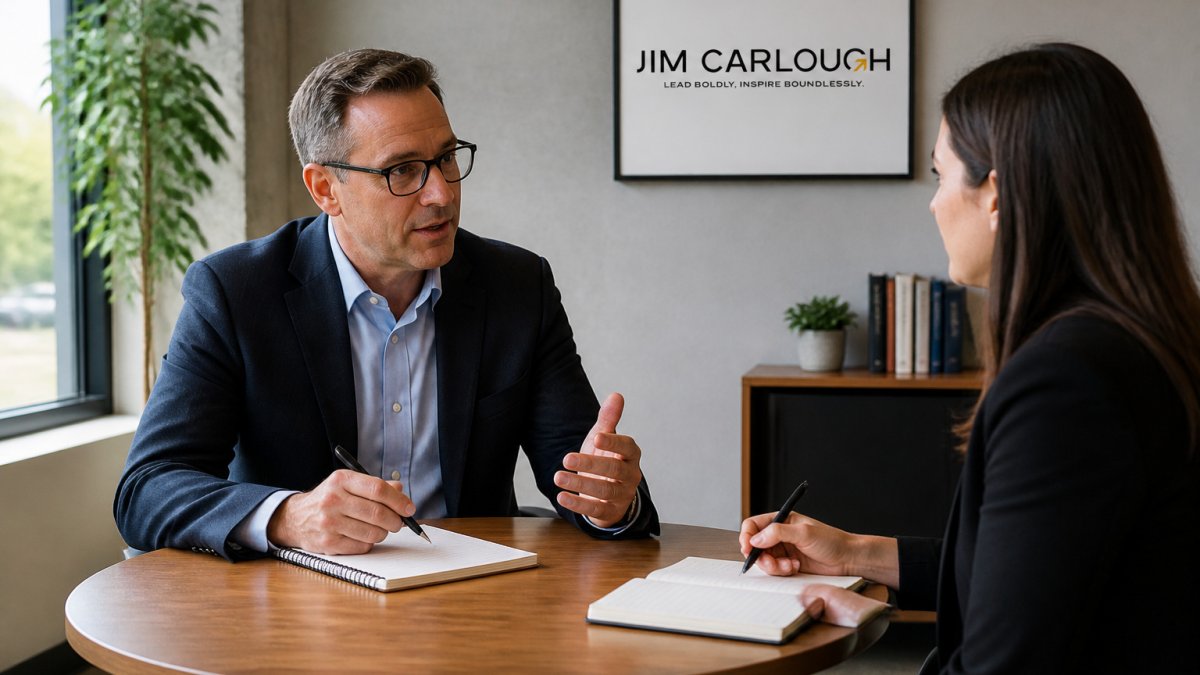
"I want to talk about the client onboarding last week. The handoff notes were missing the renewal date, and the client called twice to ask. What happened from your side, and what would help you get those notes out on time?"
This script names the behavior, states the impact, and asks for the employee's view. For positive reinforcement, try:
"The way you walked the new hire through the billing system saved us a week of errors. Keep doing that with the next two hires."
Watch out: if you open with a question but already know the answer, the employee will sense it. Ask only when you genuinely want the answer.
A Repeatable Feedback Framework With Follow-Up
Feedback that happens once rarely changes anything. A repeatable framework turns it into a habit:
- Observe: Write down the specific behavior and date.
- Deliver: Hold a short, private conversation within a few days.
- Listen: Ask for the employee's account before you explain your view.
- Agree: Set one or two concrete actions with a deadline.
- Follow up: Check progress in two weeks and note what improved.
The follow-up step is where most managers stop short. Put it on your calendar before you end the first conversation.
The framework below turns one-off feedback into a habit, with each step kept short enough to fit into a normal week.
| Step | What to do | Timing |
|---|---|---|
| Observe | Write down the specific behavior and date | As it happens |
| Deliver | Hold a short, private conversation | Within a few days |
| Listen | Ask for the employee's account first | During the conversation |
| Agree | Set one or two concrete actions with a deadline | During the conversation |
| Follow up | Check progress and note what improved | In two weeks |
Performance Feedback Best Practices for Remote, Hybrid, and Fair Reviews
Feedback gets harder when people work apart. Remote and hybrid employees miss the daily cues that used to carry half the message, so the manager has to make the feedback explicit and deliberate.
Remote and hybrid feedback
- Choose the channel on purpose. Praise and quick course-corrections can go in a chat message or a short video call. Sensitive or corrective feedback belongs in a live conversation with the camera on, not in a written thread where tone is easy to misread.
- Schedule regular one-on-ones. A standing 30-minute check-in every week or two gives you a natural place to deliver feedback close to the event instead of saving it for a quarterly review.
- Write it down in a shared place. After a live conversation, send a short recap with the observation, the agreed action, and the follow-up date. This keeps remote employees from wondering what was actually decided.
- Judge output, not visibility. Resist the urge to reward the person who posts the most in chat. Measure against goals, quality, and deadlines so quieter remote employees aren't penalized for not being seen online.
- Mind time zones and tone. Deliver sensitive feedback when the employee is fresh, not at the end of their day, and avoid sarcasm or shorthand that reads colder in writing than it would in person.
Fairness and documentation
Fair feedback starts with consistent standards. Use the same criteria for everyone in a role, and base every judgment on observable behavior rather than personality or reputation.
- Keep brief notes with dates and examples. A running log of specific events protects both you and the employee, and it stops recent events from overshadowing the whole year.
- Check for bias before you deliver. Ask yourself whether you'd give the same feedback, in the same words, to someone else on the team doing the same work. If not, rewrite it until you would.
- Separate the behavior from the person. "The handoff notes were missing the renewal date" is fair; "you're careless" is not, and it invites a defensive reaction instead of a fix.
- Document agreements, not impressions. Record the action the employee agreed to and the follow-up date, not your read on their attitude.
If you find yourself checking in constantly, read our guide on how to delegate tasks without checking in constantly for a more trusting approach.
Research on workplace performance management from SHRM's performance management resources offers useful guidance on building consistent review processes.
Booking a Feedback Coaching Session With Jim Carlough
Knowing the techniques is one thing. If you want structured practice delivering feedback, explore Jim's coaching options to find a program that fits where you are right now. Practicing them under real pressure is another.
Either way, the first step is the same: pick one employee and one specific behavior to address this week.
Frequently Asked Questions
How do managers give effective performance feedback?
Effective performance feedback is specific, timely, and tied to observable behavior. Describe what the employee did, explain the impact on the team or customer, and state the expectation going forward. Keep the conversation two-way by asking the employee for their view before you close. Doing this in a private, scheduled setting rather than in passing lets both people focus and prepare. Record agreed actions so the follow-up has a shared reference point.
How often should managers give performance feedback?
Feedback should be ongoing rather than saved for a formal review. Many managers hold a short check-in weekly or biweekly and address significant issues as soon as they occur, usually within a few days. Formal performance reviews, often annual or semiannual, should summarize what has already been discussed rather than introduce new concerns. Frequency matters less than consistency: an employee should never be surprised by what appears in a review.
What should managers avoid when giving employee feedback?
Avoid vague labels such as 'bad attitude' or 'not a team player' because they give the employee nothing to change. Do not bundle many unrelated issues into one conversation, and do not deliver criticism in public or over email when the topic is sensitive. Avoid personal or character judgments, and do not skip the employee's response. Managers should also avoid promising outcomes like promotions they do not control.
How can managers make feedback conversations less stressful?
Open by stating the purpose and the positive intent of the conversation so the employee is not braced for a surprise. Use a concrete example rather than a general impression, and invite the employee to describe their perspective before you add your own. Pausing to listen and acknowledging what you heard reduces defensiveness. Ending with a clear, agreed next step tends to leave both people feeling the conversation was useful rather than punitive.
Ready to build stronger feedback habits? BOOK JIM TO SPEAK.