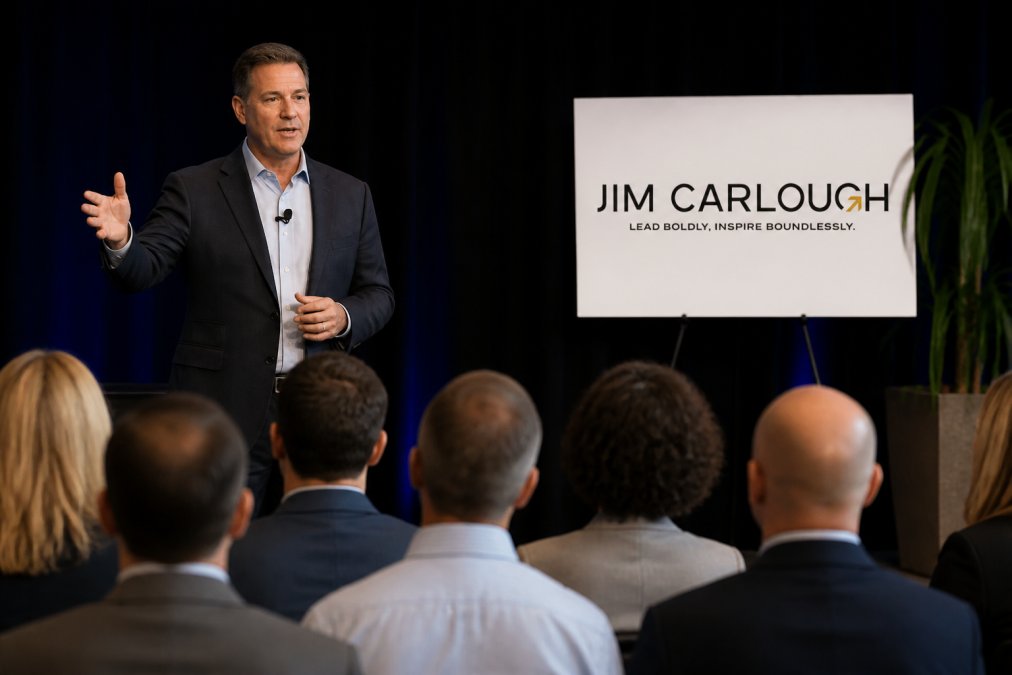
How to Hire a Leadership Keynote Speaker in 2026
Table of Contents
- Define Your Event Objectives and Audience
- Establish Your Keynote Speaker Fees Budget for 2026
- Understand the Leadership Speaker Booking Timeline
- Strategic Criteria for Selecting the Right Speaker
- Questions to Ask a Keynote Speaker Before Hiring
- Keynote Speaker Contract Checklist and Vetting Process
- Measuring Event ROI and Post-Event Impact
- Conclusion
Last Updated: August 12, 2026
Define Your Event Objectives and Audience
Before you hire a leadership keynote speaker, clarify exactly what you want your event to accomplish. This determines the speaker you select, their fee, and whether the investment delivers results.
Identify your core objective: launching a new initiative, building confidence in emerging leaders, addressing cultural challenges like trust or psychological safety, or shifting mindsets around leadership identity. Each demands a different speaker profile. A motivational speaker may fall flat if your real need is strategic thinking on succession planning.
Define your audience with specificity. Who will attend, mid-level managers, C-suite executives, or a mixed group? What's their relationship to leadership development? Are they skeptical or hungry for new frameworks? Consider the scale and format: in-person, virtual, or hybrid. Each changes what a speaker can deliver. Document audience demographics, industry, company size, and unique challenges. A leadership strategist experienced in healthcare transformation speaks differently to healthcare organizations than a generalist.
Establish Your Keynote Speaker Fees Budget for 2026
Keynote speaker fees vary based on experience, demand, and market conditions. Speaker fees correlate with visibility and track record, event scope and audience size, and availability and travel requirements.
When budgeting, account for more than the speaking fee alone: travel, lodging, ground transportation, technical requirements, and custom content development. Some speakers include travel in their quoted fee; others bill separately. Ask for a complete cost breakdown.
Consider what's included in the fee. Does it cover pre-event strategy calls, post-event materials, executive coaching, or small-group sessions? For meaningful leadership development impact, expect to invest meaningfully. A speaker with decades of enterprise transformation experience brings depth that justifies higher fees. Request pricing transparency upfront, vagueness about costs signals unprofessionalism.
Understand the Leadership Speaker Booking Timeline
Most professional speakers maintain a booking calendar 6-12 months in advance. The most sought-after speakers often book further out. If your event is less than three months away, your options narrow significantly.
Begin your speaker search at least four to six months before your event date. This timeline allows you to research and vet candidates, schedule discovery calls, negotiate fees, arrange logistics, and build audience anticipation. If targeting a specific speaker, add extra time, they may already be booked. Booking well in advance sometimes allows fee negotiation, as speakers may discount rates to secure bookings months out rather than hold out for potentially higher-paying engagements that might not materialize.
Communicate your timeline clearly when contacting a speaker. A professional will tell you immediately whether they're available or recommend colleagues and alternative dates.
Strategic Criteria for Selecting the Right Speaker
The right speaker amplifies your event's impact. The wrong speaker misses your audience entirely.

Evaluate the speaker's expertise in your specific context. A leadership speaker with deep healthcare experience understands compliance challenges and hierarchical structures. That specificity matters more than generalist credentials.
Look for evidence of thought leadership: published books, articles cited by credible sources, speaking at major conferences. This signals original frameworks, not repackaged conventional wisdom. Assess their speaking style and delivery by watching video clips. Does their energy match your event culture? Some energize through high-intensity motivation; others build influence through calm, strategic insight.
Evaluate their ability to customize content. Generic keynotes feel disconnected. The best speakers invest time understanding your organization, culture, leadership gaps, and strategic priorities, weaving specifics into their presentation. Consider their experience with your audience level. A speaker skilled at developing emerging leaders may not command C-suite respect, and vice versa.
Questions to Ask a Keynote Speaker Before Hiring
Asking the right questions reveals whether they're truly the right fit.

Ask about customization: "How do you learn about our organization and audience before developing your keynote? What information do you need, and when?" A speaker who asks thoughtful discovery questions is invested in relevance.
Probe their industry experience: "Have you worked with organizations like ours? What unique leadership challenges have you seen in our space?" Clarify what's included: "What does your fee cover? Are there additional costs for travel, custom content, or follow-up materials?"
Ask about technical requirements and flexibility: "Can you work with our existing event technology? Are you comfortable with hybrid or virtual delivery?" Explore audience engagement: "How do you engage the audience? Do you take questions? Do you facilitate breakout sessions?" Ask about cancellation and rescheduling policies to prevent surprises.
Finally, request references from three organizations that hired them in the past 18 months. Speaking directly to past clients reveals how speakers actually perform and whether they deliver promised impact.
Keynote Speaker Contract Checklist and Vetting Process
A solid contract protects both you and the speaker.
Core Contract Elements:
- Scope of engagement: Keynote length, number of sessions, additional activities, exact event date and time
- Fee and payment terms: Total fee, what's included, payment schedule (often 50% upon signing, 50% before the event), and additional costs
- Customization and preparation: Whether custom content is included, number of discovery calls, deadlines for your information
- Technical requirements: Audio-visual setup, internet bandwidth, stage configuration, and responsibility for each element
- Cancellation and rescheduling: Conditions for cancellation, refund policies, and rescheduling procedures
- Intellectual property and recording: Whether the keynote can be recorded, how recordings can be used, and who owns rights
- Travel and logistics: Who arranges and pays for travel, lodging, ground transportation, and meals
- Liability and insurance: Clarification of liability, professional liability insurance, and any required event insurance
- Confidentiality: Protection of confidential information shared during discovery or strategy calls
Vetting Process:
Request a speaker one-sheet detailing experience, speaking topics, and notable engagements. Watch video clips of at least two past presentations, noting content, delivery, audience response, and interaction handling. Contact at least two past clients and ask: Did the speaker deliver on promises? How did the audience respond? Would you hire them again? Did they handle logistics professionally?
Verify credentials and claims. If they reference studies or frameworks, verify accuracy and attribution. Schedule a discovery call before finalizing the contract. This reveals whether they're genuinely interested in customizing content or treating your event as another booking. Trust your instinct, if the speaker seems dismissive or uninterested in your context, that's a warning sign.
Measuring Event ROI and Post-Event Impact
Hiring a leadership keynote speaker is an investment. Measuring return requires clarity about what success looks like.
Define success metrics before the event. If your objective was building confidence in emerging leaders, measure confidence through pre- and post-event surveys. If you aimed to shift thinking about leadership identity, assess whether attendees' understanding changed. If the goal was engagement and cultural connection, track attendance, engagement during the keynote, and sentiment afterward.
Conduct pre-event surveys establishing a baseline. Ask attendees about their current understanding of the keynote topic, confidence in their leadership abilities, or perception of your organization's leadership culture. Post-event, conduct surveys within 48 hours while the keynote is fresh. Ask about key takeaways, relevance to attendees' roles, and likelihood to apply what they learned. A week or two after, ask about actions taken based on the keynote.
Track business outcomes over time. If your objective included improving retention or engagement, monitor those metrics in the months following the keynote. Collect qualitative feedback from key stakeholders, your CHRO, event organizers, and senior leaders who attended.
Hiring the right leadership keynote speaker requires clarity about your objectives, realistic budgeting, and thorough vetting. When you invest time defining success, understanding the market, and selecting a speaker whose expertise and approach align with your culture, the return extends far beyond the event itself.
A leadership keynote speaker who understands your industry, customizes content to your context, and builds genuine connection with your audience can shift how your leaders think about their roles and impact. That shift ripples through your organization long after the event concludes. Jim Carlough brings 30+ years of enterprise transformation experience to leadership development work, helping organizations build character-driven leadership that moves beyond titles. When you're ready to invest in a keynote speaker who combines strategic depth with authentic human connection, explore Jim Carlough's approach to leadership development to understand how customized content and thought leadership can transform your event into a catalyst for organizational change. BOOK JIM TO SPEAK and bring original frameworks for leadership identity and influence to your next event.
Frequently Asked Questions
How far in advance should you book a leadership keynote speaker for a corporate event?
Most professional speakers recommend booking 3-6 months in advance for corporate events, though top-tier thought leaders may require 6-12 months lead time. Booking early gives you access to your preferred speaker, allows time for customized content development, and provides flexibility for event logistics planning. If your event is sooner, contact speakers directly, some maintain availability for last-minute engagements, though your options may be limited.
What questions should you ask a keynote speaker before hiring them?
Ask about their experience with your industry, customization approach for your specific audience, speaking fee structure and what's included, technical requirements, cancellation policy, audience interaction style, and examples of recent speaking engagements. Request references from past clients and ask how they measure audience engagement. Understanding their methodology for character-driven leadership or thought leadership ensures alignment with your event objectives and organizational culture.
What should be included in a keynote speaker contract checklist?
Your contract should specify the speaking fee, event date and duration, travel and accommodation arrangements, technical requirements, content approval process, cancellation terms, liability insurance, intellectual property rights, and any exclusivity clauses. Include payment schedule details, speaker arrival time, sound check requirements, and what happens if the speaker becomes unavailable. Address virtual or hybrid delivery options if applicable, and clarify whether the speaker will participate in meet-and-greets or additional sessions beyond the keynote.
How do you measure the ROI of hiring a leadership keynote speaker?
Track metrics before and after your event: employee engagement scores, post-event survey responses, leadership development program enrollment, retention rates among attendees, and internal promotion velocity. Measure thought leadership impact through social media mentions and internal communication adoption of speaker themes. Conduct follow-up assessments 30, 60, and 90 days post-event to gauge behavioral change and team engagement improvements. Connect speaker topics directly to your organizational goals, if the keynote addressed succession planning or cultural transformation, track relevant business outcomes.
This article was written using GrandRanker